
How to Transport a Cat Long Distance to a New Apartment
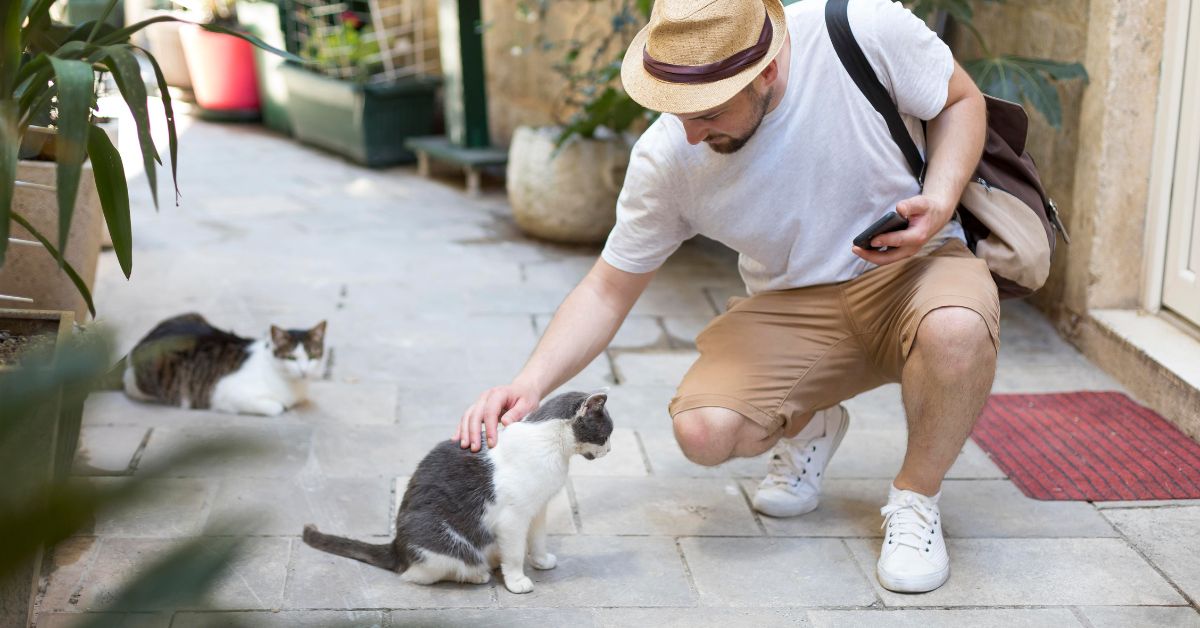
Moving to a new place of residence is a serious stress for all family members, including pets. Especially for cats, who have difficulty adapting to a new place and need prior preparation. To minimize unpleasant consequences, it’s recommended to thoroughly prepare for the move and know what problems you might encounter with your pets in the process.
Why Does a Cat Experience Stress During a Move?
Any changes in the stable life of animals lead to anxiety. Changing the litter box, usual food, the appearance of New Year’s decorations in the house – all of this provokes the development of nervous experiences in pets. And a complete change of residence can provoke full-blown stress.
Moving with a cat requires special preparation of the apartment, as the new place may turn out to be frightening. And to reduce probable negative consequences, it’s important to prepare your pet for the trip, choose a comfortable cat taxi for transportation, and get the home itself ready. All renovation work should be finished, a place for the cat prepared in advance. Also, it’s not recommended to buy a new water fountain, litter box, bowl, and toys. Even if they’re worn out and need replacing, it’s better to do this later, in a few months.
Old things will help your pet adapt to the new place; they preserve the familiar scent in an unfamiliar space, which is so necessary for cats to get used to things. It’s also recommended to maintain the sleep and wake schedule.
Preparing Your Cat for the Move
Much depends on the distance of the trip, but most importantly – buy a comfortable carrier in advance. It should be spacious and close securely; it’s important that it opens from the outside with little effort. In this case, your pet won’t escape outside. It’s recommended to choose a carrier in advance in which the cat will fit comfortably and, if necessary, can lie down or stretch out their paws. If the carrier is new, your pet should get used to it. The easiest way to do this is to place a bed inside. Likely, the cat will become interested and sleep in it.
In some cases, feeding in the carrier itself will help. You need to give small portions of treats when the cat goes inside or shows interest in any other way. Some models are already equipped with bowls and water fountains where you can put food to attract attention.
If your pet reacts strongly to any changes, even with prior preparation can’t cope with stress and gets nervous – refuses to eat, drink, play, changes their usual rhythm of life or toilet place – it’s recommended to consult with a veterinarian. The doctor will help select mild sedatives that will help cope with the move.
Ideally, if you can allocate time and introduce your pet to the new apartment or house in advance. It’s enough to simply carry the cat around the rooms in your arms, calming and talking to them in a quiet voice. This way they’ll be able to feel calmer.
How to Organize the Process of Transporting Pets?
Much depends on how far you’re moving. For moving around the city, it’s enough to get the cat used to the carrier and simply transport them to the new place. But if a long trip of more than an hour or two is planned, several nuances need to be considered. First – for travel by rail transport, the cat needs a ticket, like any traveler. Also, you should obtain a special document in advance that confirms the animal’s health. It’s only valid for a couple of days. On the day of departure, it’s recommended not to feed and only give a little water to your pet so nothing unpleasant happens on the road.
Organizing the process yourself is quite problematic, especially on short notice. You need to pay attention to many details and can simply overlook something. In this case, it’s worth turning to specialists who will help organize a turnkey apartment move. You can count on help with:
- Packing furniture, things, dishes, appliances, etc.
- Loading and unloading boxes into the vehicle
You just need to inform the company of your intentions, and then you’ll get several questions, the answers to which will help solve your task, including as a cat owner and other pets.
Possible Problems with Your Cat After the Move and When to Contact a Veterinarian
The question of how to relieve stress in a cat after a move interests many owners, so they know in advance how to help them. But first of all, it’s worth remembering how the disorder itself manifests. Most often this is noticeable by:
- Refusal of food and water
- Aggression
- Change in toilet location
Some pets may hide under sofas or climb onto cabinets so they can’t be touched. If this situation lasts several hours, maximum up to two days – there’s no need to worry. This is how the adaptation process happens. But if you notice alarming symptoms for three or more days, you should seek help.
To minimize probable problems, it’s recommended to entrust the process of moving to a new place and domestic pet relocation to professionals who can take control and provide informational support.