
9 Critical Safety Checks Before Beginning Any Hazardous Materials Survey
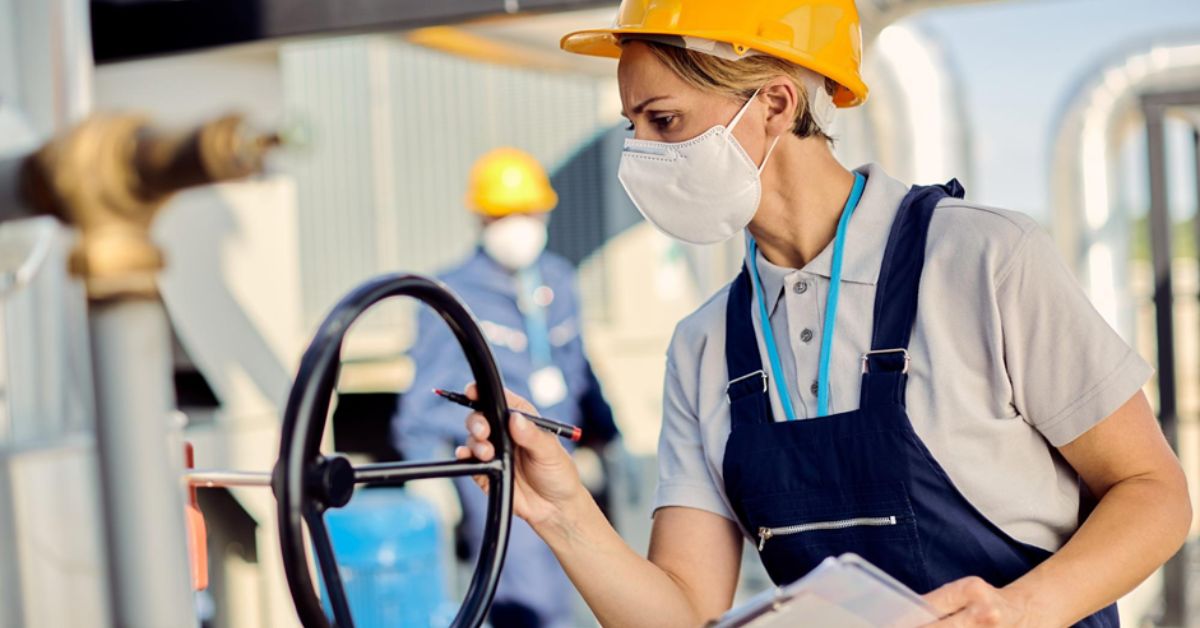
Urban spaces around the world are filled with people. These are beautiful spaces that come with a big list of benefits. However, what most fail to notice is the presence of hazardous materials in such places.
Hazardous materials like asbestos, PCB, lead-containing paints, and others are quite prevalent in construction, demolition sites, and others. Well, this is one thing that has made hazardous materials surveys a necessity in demolition sites, construction sites, waste audits, and planning landfill management.
However, carrying out the surveys isn’t enough to ensure safety and compliance. Before one proceeds with these surveys, it is essential to focus on a few safety checks. These checks are a critical part of the process. These proactive safety checks protect workers and ensure legislative compliance, helping one avoid costly fines and legal challenges. This is why environmental consultants focus on following these checks to support safe survey preparation.
In this blog, we will make you aware of the top 9 safety checks that are a must before a hazardous materials survey.
Necessary Safety Checks That One Must Follow
Carrying out a hazardous materials survey is a tough process. This is why experts in the process always reinforce the necessity of safety checks. Some of the critical ones are listed below.
1. Verify Site Access Permissions & Legal Compliance
The first and essentially the most important safety check before a hazardous materials survey is to verify site access permissions and legal compliance. This isn’t just essential for safety. Rather, it also comes with other benefits.
It helps with legal protection and effective project management. This, in the end, ensures the work is conducted safely and in compliance with stringent environmental and occupational health regulations.
2. Review Historical Site Records & Hazard Registers
Before taking any steps during a hazardous materials survey, experienced environmental consultants always conduct a review of historical site records and hazard registers. Studying the past asbestos reports is a fundamental part of this process and helps in ensuring safety, legal compliance, and effective project execution.
This helps one gain an understanding of previous contamination findings, old chemical handling logs, and essential factors. This protective nature of the safety check is a big reason why environmental consultants rely on this.
3. Conduct a Pre-Survey Risk Assessment
Construction sites, demolition grounds, and other places are filled with contaminants like asbestos, lead, PCBs, hydrocarbons, and mould. These contaminants are extremely harmful and result in different types of health issues. This is why conducting a pre-survey risk assessment during planning landfill management, waste audits, or other processes becomes more than necessary.
This assessment helps in evaluating the likelihood of such materials in the survey ground and then makes it easier to determine control measures. This way, the rest of the process becomes easier.
4. Confirm Personnel Training & Competency
A hazardous materials survey is not an easy process. Rather, this is a process that involves a lot of awareness and understanding regarding the matters.
This is why the experts who are carrying out the hazardous material surveys must have proper training regarding the matter and be competent enough to carry out the survey. They must know asbestos awareness, HAZMAT identification, and others. Plus, they must also have confined space certification and be an expert in local compliance courses.
5. Inspect & Prepare Personal Protective Equipment (PPE)
Proper protection is more than necessary during hazardous materials surveys. This ensures that the environmental consultants and others who are a part of the process are safe during the process and their health stays unharmed.
This is why preparing PPE like Tyvek suits, gloves, and eye protection is more than essential. Other than that, respirator fit-testing is also among the other things that play an essential role in the process. However, one must also ensure that the PPE meets the standards set by the local authority.
6. Prepare Monitoring, Sampling & Detection Equipment
Hazardous materials surveys are a complex process that requires a few different equipment. This is why it is essential to prepare the related equipment necessary for monitoring, sampling, and detection before the process.
This includes equipment like calibration of air pumps, wipe sampling kits, gas detectors, and VOC meters before the process. On top of that, it is also necessary to carry out battery and backup checks. This ensures that the following steps are smooth and without any interruptions.
7. Assess Ventilation, Airflow & Indoor Conditions
Performing surveys in an enclosed industrial site increases the risks caused by contaminants. This is why experts always assess the ventilation, airflow, and other indoor conditions before the survey.
Industrial ventilation helps with the controlled movement of air, which makes it easier to remove harmful contaminants, dust, fumes, and other airborne particles from the workplace. This also prevents the buildup of hazardous substances like toxic gases or airborne chemicals.
This, in the end, reduces the risks of occupational health issues and ensures compliance with safety regulations. Thus, it also creates a better environment for environmental consultants to carry out surveys.
8. Prepare Emergency Response Procedures
Hazardous materials surveys are not an easy process and might lead to a series of issues. This is why preparing emergency response procedures becomes necessary.
This is a response plan that helps in protecting public health and safety. This provides for the safety of staff, personnel, employees, visitors, and others in the property, all while helping the community and the surrounding environment.
This is why experts always focus on the importance of first-aid, spill kits, containment, and emergency exits. This ensures that everything stays safe in case of an emergency.
9. Establish Proper Waste Handling & Disposal Protocols
A hazardous materials survey identifies hazardous substances that are present in an industrial setup. So, the results of it often led directly to the generation, management, and disposal of hazardous waste. This is truer in the case of demolition, cleanup, or industrial processes.
Well, this is why establishing proper waste handling and disposal protocols is essential for all. This helps in preventing accidents and injuries and reduces exposure risks. Plus, it also ensures regulatory compliance by avoiding changes in legal penalties and maintains operating permits. Most important of all, it also safeguards the environment and limits financial and reputational damage.
In Summary
Hazardous materials survey is a critical process. However, what’s more critical are a few safety checks that must be followed before the survey.
Experienced environmental consultants always suggest the necessity of verifying site access permissions, reviewing historical records, performing a risk assessment, confirming worker PPE, securing monitoring equipment, assessing ventilation, briefing personnel, planning emergency procedures, and ensuring proper waste-handling protocols. This, in the end, results in reduced exposure risks and ensures compliance with environmental safety regulations.
Want to Carry Out Hazardous Material Surveys in Your Industry?
Seek the assistance of a skilled environmental consultant. Ensure proper safety checks before hazardous materials surveys or Planning Landfill Management.
ALSO READ: How to Expertly Use Cards to Promote Your Business in Singapore